
Is Kratom Addictive? Understanding the Risks and Effects
Kratom, an herbal substance that has gained popularity in recent years, is often used for its purported benefits, such as pain relief and mood enhancement. However, a common question that arises when discussing Kratom is: Is Kratom addictive?
In this post, we’ll explore the potential risks of Kratom use, its addictive properties, and what you need to know before considering it as a supplement. If you’re considering Kratom from a trusted provider like G2 MEDS, it’s essential to understand both the benefits and the potential risks.
What is Kratom?
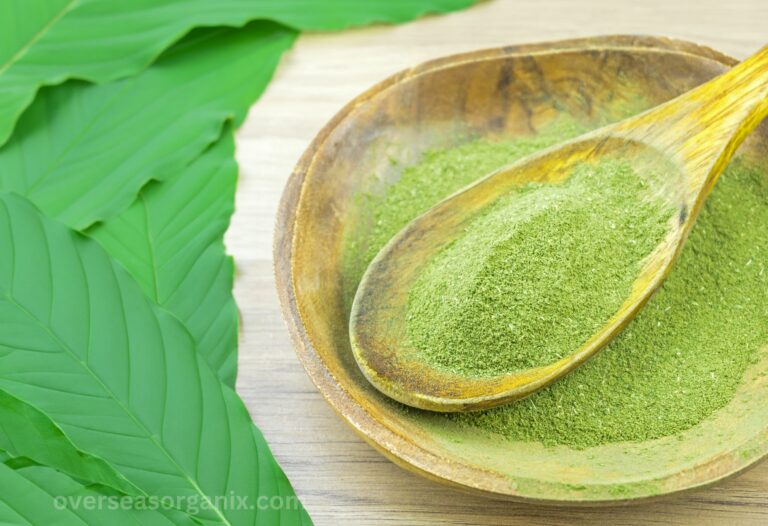
Kratom (Mitragyna speciosa) is a tropical tree native to Southeast Asia. Its leaves have been traditionally used for their stimulant effects at lower doses and sedative effects at higher doses. Kratom is available in various forms, including powder, capsules, and extracts. Some individuals use Kratom to help manage chronic pain, and anxiety or to combat opioid withdrawal symptoms.
The Controversy: Is Kratom Addictive?
The question on many minds is whether is kratom addictive. While Kratom is often touted as a natural alternative to opioids or other painkillers, concerns over its potential for addiction have been raised.
At moderate doses, Kratom acts as a stimulant and may provide energy and euphoria. However, at higher doses, it has a sedative effect. Both of these effects can be habit-forming. Is Kratom addictive? The answer depends on several factors, including dosage, frequency of use, and individual susceptibility.
Kratom’s Chemical Components and Addiction Potential
Kratom contains two primary active alkaloids: mitragynine and 7-hydroxymitragynine. These compounds interact with opioid receptors in the brain, which can lead to feelings of relaxation and pain relief. However, this interaction also suggests that Kratom could have addictive properties similar to opioids, especially when used regularly.
While Kratom is not classified as a traditional opioid, research has shown that regular use of Kratom may lead to dependency and withdrawal symptoms upon cessation. Symptoms like irritability, fatigue, and nausea have been reported by those who stop using Kratom after prolonged periods.
How Can Kratom Become Addictive?
- Frequency of Use: The more frequently Kratom is consumed, the higher the likelihood of developing a tolerance. This can lead users to increase their dosage, potentially leading to addiction.
- Dosage: Higher doses of Kratom are more likely to cause dependence. While low doses can provide stimulation, higher doses are associated with sedation and pain relief, which might encourage frequent use.
- Psychological Dependence: Like other substances that provide mood enhancement or relief from pain, Kratom can lead to psychological dependence, where individuals may feel they need it to function or to manage emotional or physical discomfort.
Signs of Kratom Addiction
If you or someone you know is using Kratom regularly, it’s important to recognize the signs of addiction. Common signs include:
- Tolerance: Need more Kratom to achieve the same effects.
- Withdrawal Symptoms: Experiencing discomfort or flu-like symptoms when Kratom use is reduced or stopped.
- Inability to Stop: A desire to quit but being unable to do so.
- Neglecting Responsibilities: Prioritizing Kratom use overwork, social obligations, or personal health.
The Risks of Kratom Use
While Kratom is often marketed as a safer alternative to traditional opioids, it’s important to note the risks associated with its use. Aside from the potential for addiction, other risks include:
- Liver Toxicity: Prolonged use of Kratom may cause liver damage.
- Heart Issues: Kratom can cause an increase in heart rate and blood pressure.
- Legal Issues: In some countries and U.S. states, Kratom is banned due to its potential for misuse and addiction.
Conclusion
In conclusion, while Is Kratom Addictive is a common question, Kratom is not inherently addictive for everyone. However, it does have the potential to cause dependence, especially when used frequently or in high doses. If you are considering Kratom for pain relief or other reasons, it’s important to be mindful of its effects on your body and to use it responsibly. Always consult with a healthcare provider before using Kratom, particularly if you have a history of substance use disorders. At G2 MEDS, we are committed to providing safe, high-quality Kratom to support your wellness journey, but we also stress the importance of responsible usage.
Understanding whether Kratom is addictive is key to making informed decisions about its use. By being aware of the risks, you can take steps to ensure you are using Kratom safely and responsibly.
Frequently Asked Questions
Is Kratom addictive?
The question “Is Kratom addictive?” is a common concern among new users. While Kratom is not classified as a traditional opioid, it does have the potential to cause dependency, especially when used frequently or in high doses. Regular use may lead to tolerance and withdrawal symptoms, making it important to use Kratom responsibly.
Is Kratom more addictive than opioids?
While Kratom is often compared to opioids due to its similar effects on the brain, it is not as potent or addictive as traditional opioids. However, the question Is Kratom addictive is valid, as it does carry some risk of dependence, especially with long-term use.
How do I know if Kratom is addictive for me?
If you’re wondering, Is Kratom addictive for you, watch for signs such as needing higher doses over time to achieve the same effects, experiencing withdrawal symptoms, or using Kratom to cope with emotional or physical pain. These may be indicators that Kratom use is becoming problematic.
What are the long-term effects of Kratom addiction?
If you’re asking, Is Kratom addictive, it’s important to also consider the long-term effects. Chronic use can lead to physical and psychological dependence, liver damage, and in some cases, heart issues. It is essential to use Kratom responsibly and consult with a healthcare professional if you plan to use it regularly.
Does the quality of Kratom affect its addictiveness?
The quality of Kratom can influence its effects on the body. Higher-quality Kratom, like that provided by G2 MEDS, is less likely to contain contaminants that could cause adverse effects. However, the question Is Kratom addictive remains relevant regardless of quality, as its addictive potential depends more on how often and how much you use it.