Kratom Basics: A Clear, Plain-Language Guide
Kratom gets described in a lot of ways, often by people with something to sell or something to warn you about. This guide sets the noise aside and covers the essentials: what kratom actually is, what is in the leaf, what the different forms mean, and how to shop for it responsibly.
Key takeaways
- Kratom is a plant. It comes from the leaves of Mitragyna speciosa, a tropical tree in the coffee family native to Southeast Asia.
- Its activity comes from alkaloids, mainly mitragynine. A related compound, 7-hydroxymitragynine (7-OH), occurs only in trace amounts in the natural leaf.
- “Strain” names are mostly about origin and processing, not different species.
- Form matters. Whole-leaf powder and concentrated extracts are very different products and should not be treated as interchangeable.
- Quality is verifiable. Independent lab testing for alkaloid content, heavy metals and microbes is the single best signal of a trustworthy product.
- The law is changing quickly. Always check the current rules in your state before you order.
What kratom is
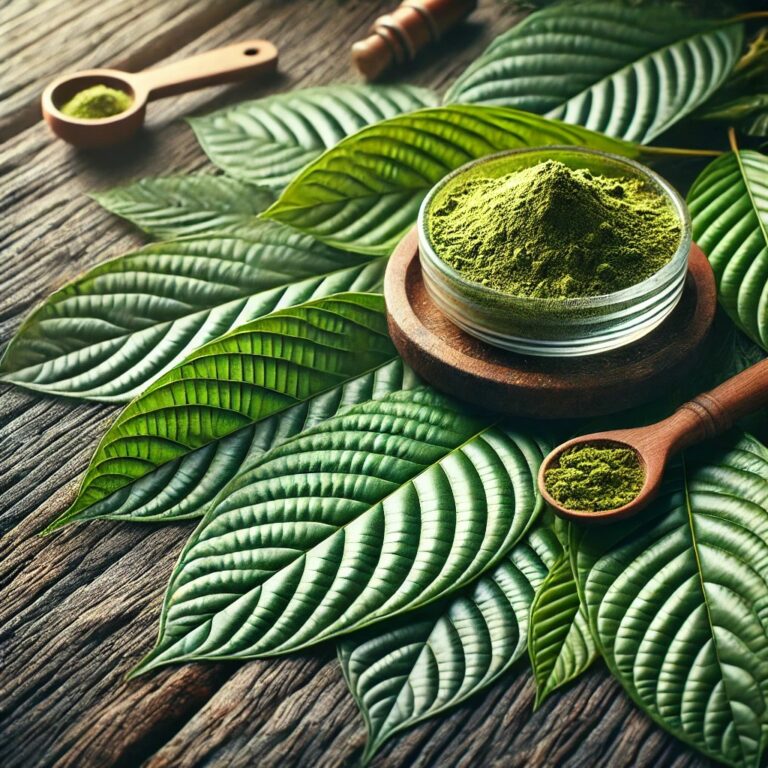
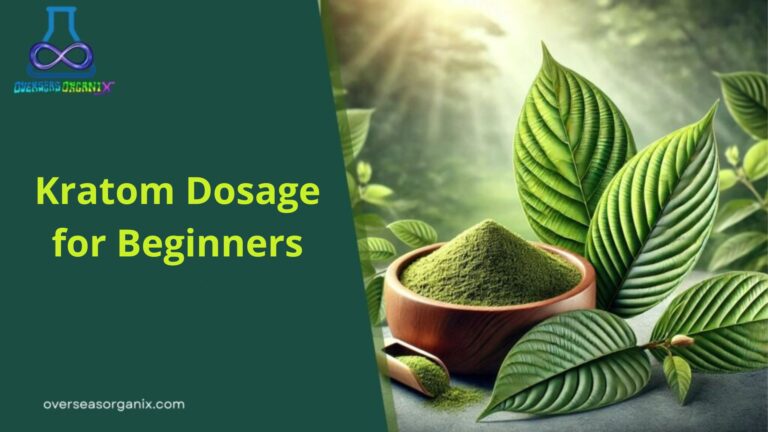
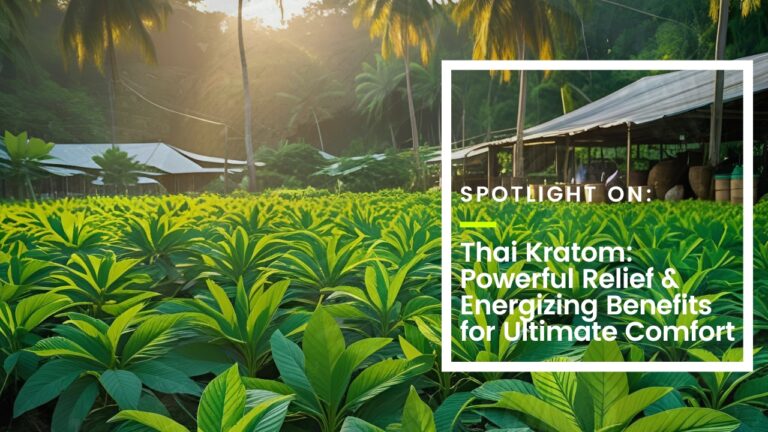
Kratom (Mitragyna speciosa) is an evergreen tree that grows in the humid lowlands of Thailand, Malaysia, Indonesia and Papua New Guinea. It belongs to the Rubiaceae family, the same botanical family as coffee.
In Southeast Asia, the leaves have a long history of traditional use. Laborers chewed fresh leaves or brewed them into tea during long working days, and the leaf has been part of local social and cultural customs for generations. In the United States, kratom is most often sold as a dried, finely ground leaf powder, or as products made from that leaf.
What is in the leaf
Kratom leaves contain dozens of naturally occurring compounds called alkaloids. Two get most of the attention:
- Mitragynine is the most abundant alkaloid in the leaf and the one most studied by researchers.
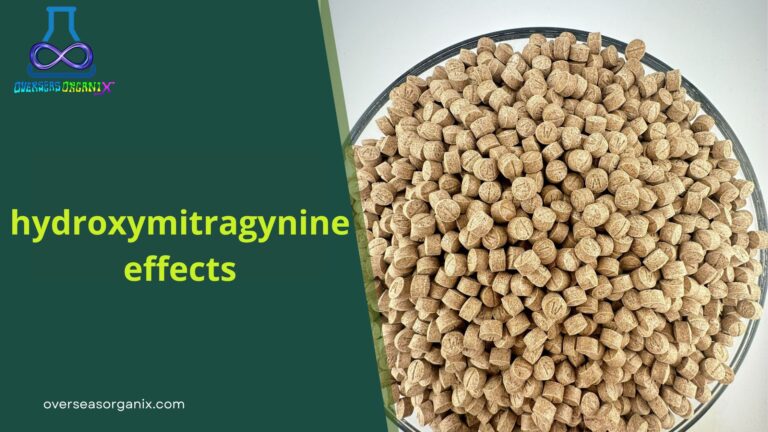
- 7-hydroxymitragynine (7-OH) is present in the natural leaf only in very small amounts, typically a tiny fraction of total alkaloid content. It is considerably more potent than mitragynine, which is why concentrated 7-OH products are regulated and discussed separately from natural leaf.
Alkaloid content varies from one harvest to the next. Growing region, the maturity of the leaf, the season and the drying process all influence the final profile, which is one reason consistent lab testing matters so much.
Two bags labeled “kratom” can be very different products. The label, and the lab report behind it, is what tells you which one you are holding.
Understanding “strains” and vein colors
Kratom is often sold by vein color (red, green or white) and by regional names such as Maeng Da, Bali or Borneo. It is worth knowing what these labels do and do not mean.
- They are not separate species. Nearly all kratom sold comes from the same plant, Mitragyna speciosa.
- Vein color refers to the color of the central vein of the leaf, which shifts as the leaf matures. Drying methods, such as indoor, outdoor or fermented, also shape the final product.
- Regional names usually describe where the leaf was grown, or are simply trade names that vendors use.
Vendors and customers often describe differences between colors and regions, but formal research comparing them is limited. Treat strain descriptions as a general guide rather than a precise specification.
The common forms of kratom
The biggest distinction is between whole-leaf products, which contain the leaf’s natural alkaloid profile, and concentrated products, which are processed to increase the amount of one or more alkaloids.
| Form | What it is | Worth knowing |
|---|---|---|
| Leaf powder | Dried leaves, finely ground | The most traditional form, with the natural alkaloid profile of the leaf. |
| Capsules | Leaf powder in pre-measured capsules | Same material as powder, in a more convenient format. |
| Extracts | Concentrated preparations made from the leaf | Much stronger per gram than powder. Check the label for exact alkaloid content. |
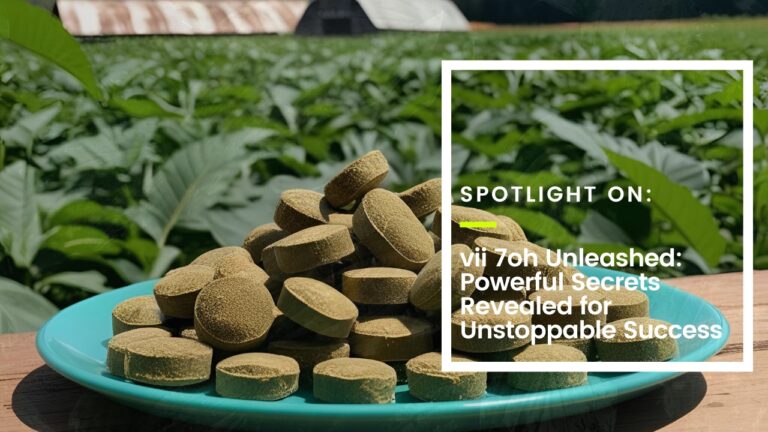
| Tablets & shots | Pressed tablets or liquids, often extract-based | Potency varies widely by product. Read labels and lab reports carefully. |
Read the label, every time. A responsible product states what it contains and how much. If a label is vague about alkaloid content, or the seller cannot produce a recent lab report, that is a reason to look elsewhere.
How to buy kratom responsibly
Kratom is not regulated like a pharmaceutical, so the burden of quality falls on the seller and on the buyer’s own diligence. A few habits go a long way:
- Ask for third-party lab results. A Certificate of Analysis (COA) from an independent lab should confirm alkaloid content and screen for heavy metals (such as lead and arsenic) and microbial contaminants (such as salmonella and E. coli). You can view our results on the G2 MEDS lab test page.
- Expect clear, honest labeling. Look for the product type, alkaloid content per serving, a batch number and appropriate warnings.
- Buy from sellers who verify age. Reputable vendors sell only to adults, typically 21 and over.
- Be skeptical of big promises. No kratom product is approved by the FDA to treat, cure or prevent any condition. Sellers who claim otherwise are not being straight with you.
- Know the rules where you live. Legality differs by state, and sometimes by city or county.
Safety considerations
Being informed is part of using any botanical product responsibly. These are the points most worth keeping in mind:
- Kratom is not FDA-approved for any medical use, and research on its long-term effects is still developing.
- Regular use can lead to dependence, and stopping after frequent use may cause withdrawal symptoms.
- Do not combine kratom with alcohol, opioids, benzodiazepines or other sedating substances. Combining substances that affect the central nervous system significantly increases risk.
- Talk to a healthcare provider first if you take prescription medication, have a medical condition, or are pregnant or breastfeeding.
- Keep products away from children and pets, as you would any supplement.
The legal landscape
Kratom’s legal status in the United States is set largely at the state level, and it has been changing quickly.
- Federal: Natural kratom leaf is not a federally controlled substance. In July 2026, the DEA announced its intent to temporarily place concentrated 7-OH above a set threshold, along with several synthetic derivatives, into Schedule I. Federal health officials stated that the action is not intended to target natural leaf kratom.
- States with bans: Several states prohibit kratom outright, including long-standing bans in Alabama, Arkansas, Indiana, Vermont and Wisconsin. A number of others, among them Connecticut, Louisiana and Tennessee, have added restrictions in 2025 and 2026.
- States with consumer protection laws: Many states have adopted a Kratom Consumer Protection Act (KCPA) or similar rules. These typically set a minimum purchase age, require labeling and lab testing, and limit concentrated alkaloids.
- Local rules: Some cities and counties have their own restrictions, even where the state permits kratom.
Because these rules continue to evolve, please confirm the current law in your state before placing an order. If you have questions about a specific product, our team is happy to help through our contact page.
The bottom line
Kratom is a botanical with a long traditional history and a complicated modern reputation. The most useful things you can know are simple: understand which form you are buying, insist on independent lab testing, respect the safety guidance, and stay current on the law where you live.
That is the standard we hold ourselves to at G2 MEDS. Every product we carry is backed by third-party testing, which you can review on our lab test page before you browse the shop.
This article is for general educational purposes only and is not medical or legal advice. Statements about kratom have not been evaluated by the Food and Drug Administration. Kratom products are not intended to diagnose, treat, cure or prevent any disease.
Products are sold only to adults 21 and older, where permitted by law. Laws change frequently; it is your responsibility to know and follow the regulations in your state and locality. Consult a qualified healthcare professional before using any botanical product.